Tag: purchasing a house

  • Real Estate 101: Choosing a real estate agent, Step 4

    Real Estate 101: Choosing a real estate agent, Step 4

    Ok, so you’ve got your basic financial plan for purchasing a home done, check. You’ve got a plan to pull together the monies for the down-payment and closing costs, check. You’ve got a pre-approval with a mortgage lender, check! What’s next? You’re going to need a realtor to go view houses! Now, you could go without one and schedule home viewings with the seller agent but you’ll probably have less flexibility in that scenario. And while their fees are not trivial, real estate agents do more than just open home doors for you.

    First of all if you’re new to the area, you may need some guidance, especially if you’re moving to a larger metro area. Your realtor can give you a feel for the personality of each city and even down to the neighborhood. Where you live defines who is around you. And also where you live typically defines the price range so getting help here is important as a newcomer. Realtors typically focus on a city or two so take into account their regional strength and knowledge.

    And if you’re a first time buyer there are plenty of decisions you will need to make. A good realtor will have a network of professionals behind them from attorneys, inspectors, photographers, videographers, mortgage brokers-bankers, appraisers, carpet-painting-repair people (for selling your home) along with a staff. Another consideration are the tools, online and elsewhere that they will use for the purchase and sale of your property. My current realtor uses dot.loop to officially sign contracts and coordinate paperwork and it’s pretty effective. During the time of COVID, minimizing face to face interactions should be minimized.

    Most realtors are going to be either independent or aligned with a realty company that helps with tools and resources. You may feel more comfortable with a bigger realty name like RE/MAX, Coldwell Banker, Keller-Williams, EXP with the assumption that they will have better training and tools behind them, the choice is yours. One challenge with larger agencies is that they will also have new realtors on staff so if experience is important to you, take note. I decide to choose a very experienced realtor that does a LOT of business.

    Also note that a high-volume realtor may have another client selling a home you might be interested in, where they represent both the buyer and seller (dual-agency). While there may be some conflict of interest in this scenario, it also may get you a home in a hot market you otherwise would not have known about. I had one scenario where a home I was stalking went on the market under contract and most likely it was a dual agency scenario. In competitive markets, homes are often being purchased sight unseen before they are even MLS listed (OMG)!

    You can find a ton of realtor information online so do your research! Check out review websites like Zillow, Google or Yelp to see what the client feedback has been like. On Zillow, you’ll also get an idea of their buy-sell volume and how busy they are. Is this a career or a hobby for the realtor? How many years of experience do they have in the area? You’ll be able to see details of the real estate transactions they have brokered

    And finally the personality and person. You will be spending plenty of time with your realtor, pre-COVID you would often travel from home to home during a purchase in the same car so hopefully you like them. Are they trusty-worthy and responsive? Because your home purchase or sale will be one of the largest financial transactions you make for most of us. While we all probably personally know several realtors as friends, do you want to do business with a friend and potentially risk that relationship? Tough call in my book, I prefer to keep my business and personal relationships separate.

    In the end, definitely interview real estate agents to get a feel for them, who they are and how they can help. Until you lock into a purchase or sales contract with them, you’ll have to the option to continue shopping for agents. For my recent purchase and sale, once I started viewing properties, I was signed to a six month contract with my realtor to purchase through her. I’m guessing a realtor is unlikely to show you properties until you sign on the dotted line! Good luck because this whole process of purchasing and/or selling a home will not always be easy. The happy snapshot you have of a new homeowner with key in hand is the end-result of lots of tough decisions and stressful times. Choose your realtor wisely!

    Next up in this home buying blog series is the HOME SEARCH! Most people consider this part of the process the most fun and yes it can be, but it can really depend on your local real estate market. More to come… 🙂
  • Real Estate 101: The Mortgage and Pre-Approval, Step 3

    Real Estate 101: The Mortgage and Pre-Approval, Step 3

    Part of purchasing a new home is really understanding what you can truly afford. And while you can certainly do your personal calculations on the back of an envelope (or in a spreadsheet as discussed in an earlier post), the reality is that you can only borrow what a bank or lender is willing to underwrite you for. So as you get started on your home search, getting a mortgage pre-approval is an important and serious first step. Not only will it help guide what your expectations are for a future home, it signals to a realtor that you’re a serious buyer and ready to move forward.

    First thing is to have a basic financial plan (Step 1 in this series of posts) on the down-payment and mortgage amount you’re interested in as discussed earlier. Next thing is to go find some lenders to work through the pre-approval process. While it’s a fairly quick process, there is some paperwork to do so I’d certainly keep it to under five different options. Trust me, you’re going to get a lot of emails and phone calls once you start this process so don’t get pre-approvals from a ridiculous number of banks.

    Once you have your basic financial plan, who do you reach out to? Your existing banks and credit unions that service your savings and checking accounts is one option. Another option would be online mortgage specialists like Rocket Mortgage or GuaranteedRate. Mortgage interest rates vary quite a bit so it’s wise to speak to several banks and have some options. Both Nerdwallet and US News and World Report have good summary pages for mortgage lenders and their service ratings. Note that your realtor may also have a suggestion but we’ll discuss those relationships in more detail in the next chapter!

    To start the pre-approval process, you’ll need your basic financial information: salary/earnings, assets and debts along with your current mortgage situation. For the pre-approval process, that means you’ll need to start gathering up all the relevant financial information for you and whomever else will be applying for the mortgage. One key component of the pre-approval process will be your credit score. Hopefully you’ve been working on improving your credit score before your home search. Just be aware that the credit score used for mortgage applications are often older ones that are more demanding and conservative it its calculations. For a pre-approval, you’ll need your expected down-payment amount along with the loan amount (in the high end of your range). In most scenarios your pre-approval will be handled online and you should get an answer within hours or at worst, days.

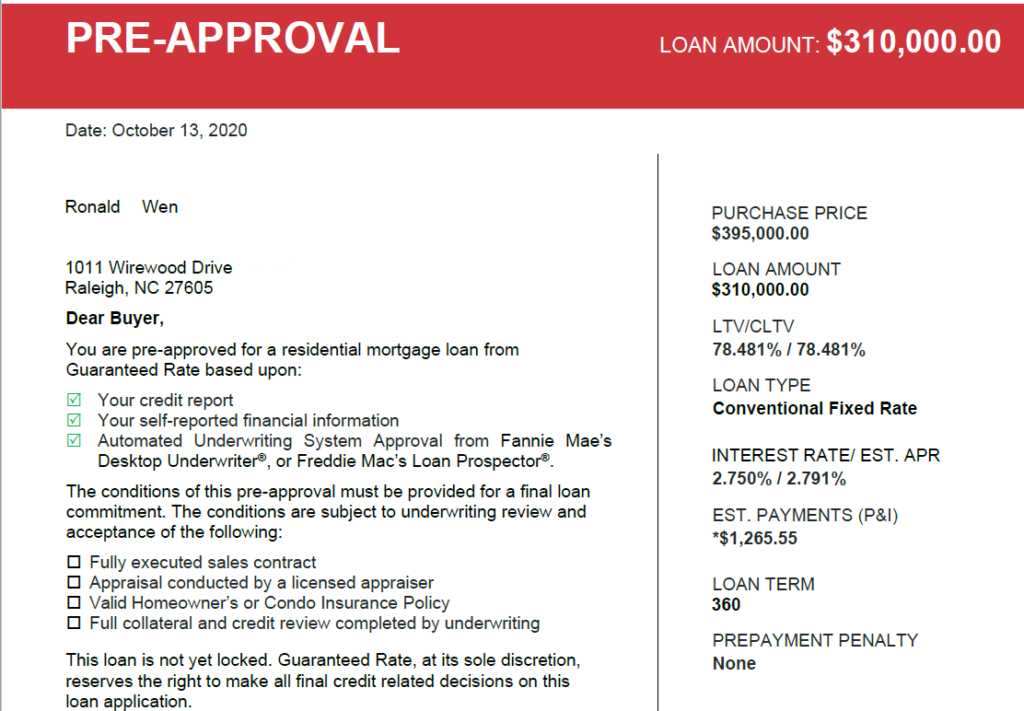
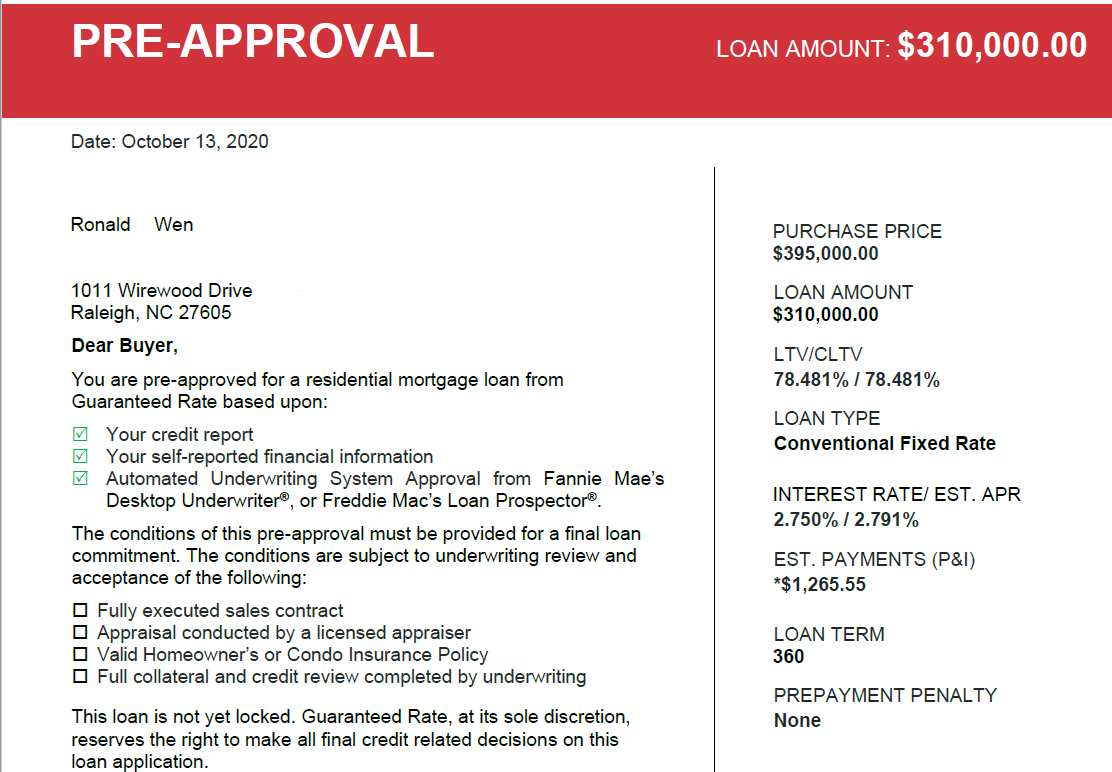
    Assuming you’re pre-approved, you’ll receive a letter validating the basic numbers and you can now engage a realtor with some confidence. You’ll also get a better idea of what the bank or lender will be looking for when you move towards the final approval. Salary, wages, assets, debts, current living expenses, debts and more. It’s the start of creating your digital financial records archive in primarily image (.jpg) and document (.pdf) formats.

    To help prepare these financial records, first identify all the necessary sources of your financial information: Banks, investment accounts, payroll provider, filed tax returns, current mortgage lender. Then you’ll either use a scanner, smartphone, computer print screen for the document images. Printing to pdf is another good option for creating text documents that will be best for the long and detailed home purchase process. For example, my home equity loan banker, mortgage lender and realtor all use online tools to securely request and store these financial documents, securely. And .jpg and .pdf are the most commonly accepted file formats.

    When you save your personal and financial documents I recommend using a consistent naming convention for your files. I will suggest: FirstName LastName – DocumentType – DocumentSource – DocumentDate as an option. The more detail in the file name will help the people working on your paperwork given they will have multiple clients. Also when transmitting and sending documents to others, be particular cautious given standard emails are not encrypted and sending sensitive personal information (PI) by email is not a good idea.

    I’m including some real-life examples of the financial and personal documents you will need to get through the home purchase process. So get ready for this ride by getting all your ducks in an order! In the next installment of this series, we’ll be discussing how to choose a real estate agent.

    • Payroll pay stubs
    • Drivers license
    • Previous filed tax returns (1040, 1095)
    • W-2 from previous two years
    • Bank account, savings account, investment account statements (2 months)
    • Mortgage statements
    • Property insurance declaration pages

    Resources

    1. Nerdwallet – 11 Best Online Mortgage Lenders for 2021
    2. US News and World Report – Best Mortgage Lenders
    3. Free Annual Credit Score
    4. Nerdwallet – 8 Ways to Build Credit Fast