As we slowly head into spring, a lot of animal shelters and rescues would consider this time as prime kitten and puppy season. Dogs that may have been kept inside or slowed down during the colder months are now out and about and doing, well, you know what! And typically that means an influx of unwanted, uncared for puppies, very sad. In all honest, in my area of North Carolina, the foster pups never really stop.
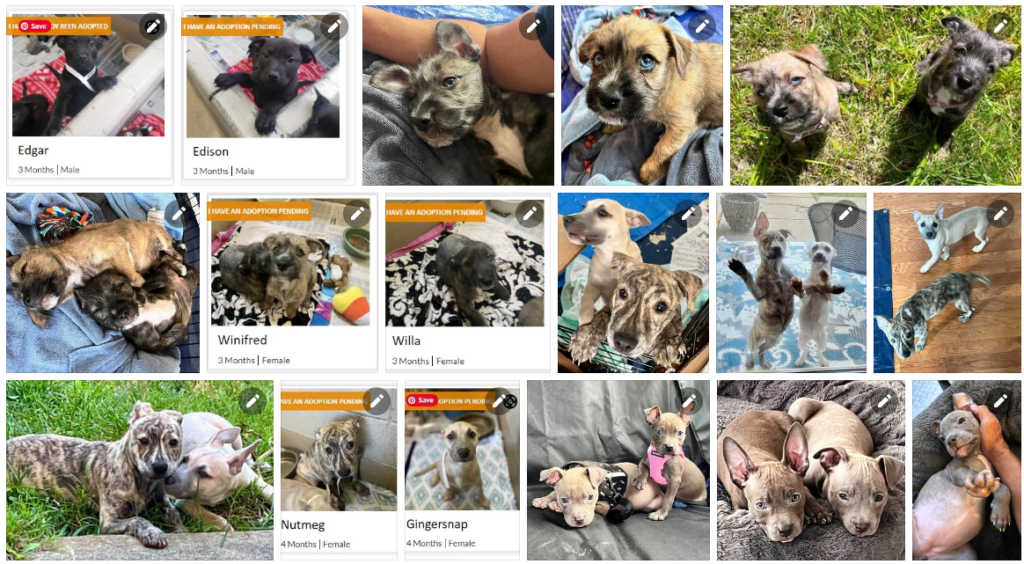
So if you’ve thought about helping out and enjoyed my post on Fostering 101, here are some additional tips, what I would call Advanced Fostering! First things first, as a foster mom or dad, your job is not only to keep the puppers happy and healthy but also adoptable and socialized so that they will respond well when meeting prospective parents and families.
And shockingly, you’d be surprised at how much additional work that is. If you think of an older dog, they’ve learned to do a lot of things you take for granted but what about puppies? They don’t even know how to dog yet. As a foster, you can help them along this path to find a forever home more quickly. Here are some hints below that I’ve learned over the past three years!
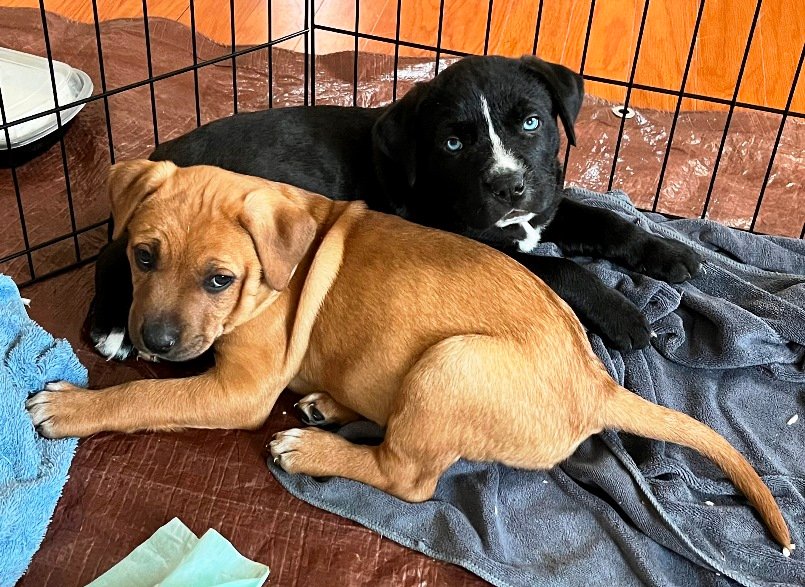
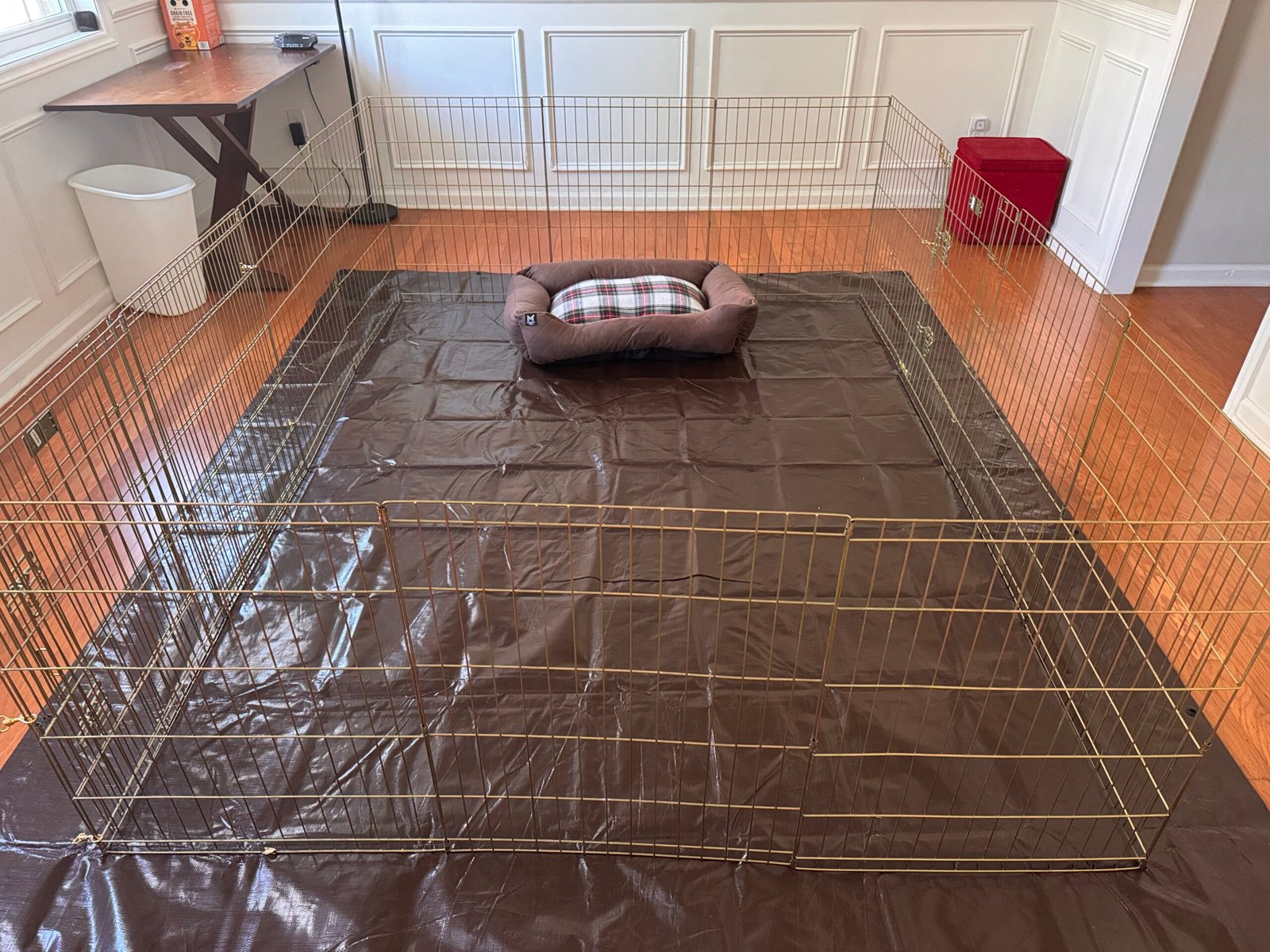
Puppy pen/constraining – While everyone loves puppy kisses, the puppy pen or keeping them in one room is important for many reasons. One, you can keep the mess that happens (spilled food, water, waste) in one area and clean it. Two, you can prevent puppies from getting out and destroying things and/or consuming things they shouldn’t be. Leashes or being tied down is not cool since they could get hung up on a leash in their antics. I also keep a Blink cam pointed to my puppy containment area so I can track them remotely.

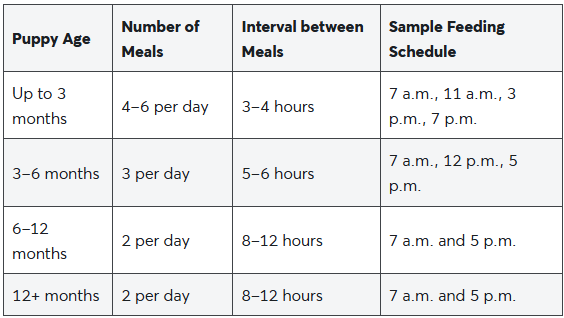
Feeding – Puppies work best with a schedule and you should remove any food/water as you get close to bedtime (say 8pm). By scheduling regular feedings, you can control how much they eat all day and the associated pee/poo times. Check out the sample schedule below from rover.com! Most times pups will pee/poo within an hour or two of feeding times until they get older. Watch their stools for any signs of distress, worms (I know, gross), looseness or constipation. Feeding = pooping later on and is a good indicator of overall health. You’ll slowly work out a schedule where you feed, they pee-poo, and then it’s time for a snooze!

Handling – You may not believe this but puppies have to be taught how to be picked up and held. They can be gawky but don’t always respond properly to you picking them up or dropping them down. They need to position themselves to do both and drop their feet when landing. Or holding them on your shoulder or in your lap. It’s all about teaching them the basics when being handled. Also I make sure they are used to getting their extremities handled: Ears, feet, paws, tail, they should be comfortable getting touched and a bit of grooming with a brush is also nice to help them enjoy human touch. But be aware that handling them may excite or over-stimulate them, so take notice.
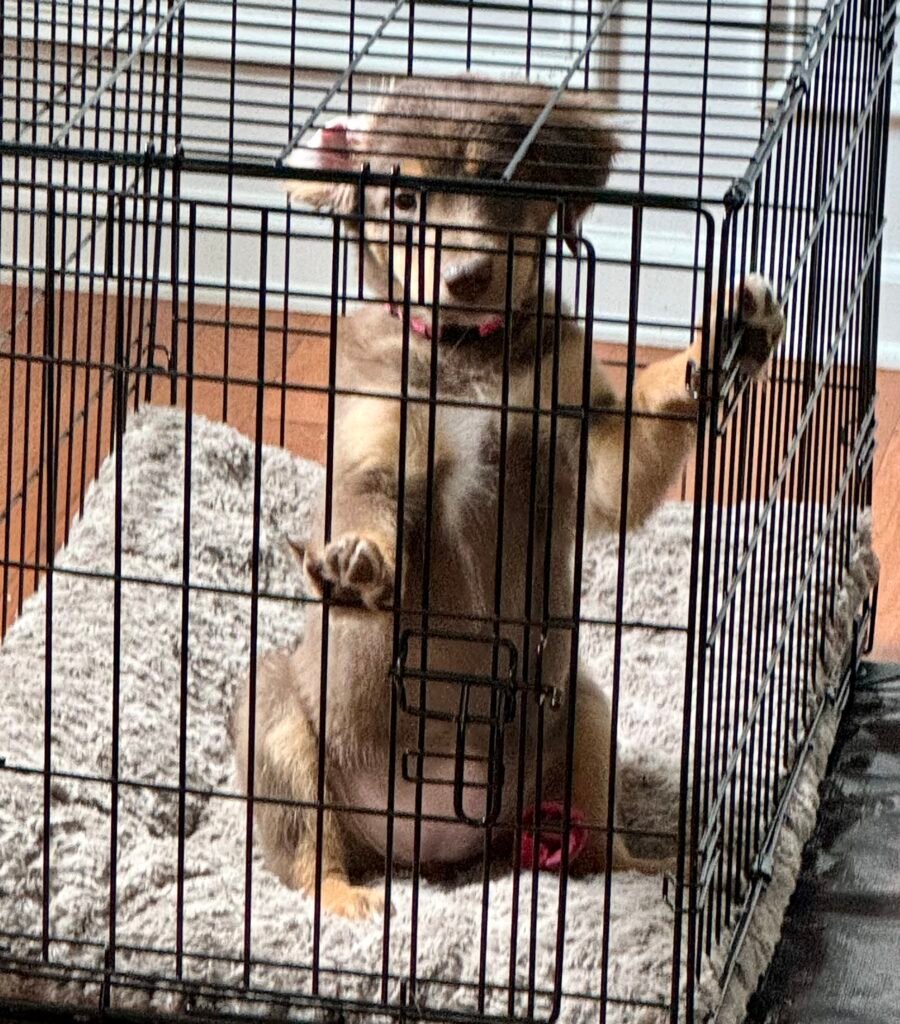
Crating – The next step after the puppy pen, crating can help when you need to calm down the puppy and to housebreak them. The crate while it may feel like a prison to you, can be your pup’s safe space. Make sure it’s big enough for them to turn around in and padded. Encourage the pup to enter the crate with a treat and/or toy and they’ll start to associate the crate with positive things. A pup should be able to hold its pee or poo for 1 hour for each month of age. So the goal is to get them to hold their pee/poo and let them out after being crated so they associate going outdoors with pee/poo time. Believe it or not, that habit has to be learned, they need to move from pee pads to the outdoors.
Collars and leashes – Another step for your puppy, getting used to a collar/harness is learned and once they are used to it, you can lead them out for walks. And since puppies are easily distracted, they will need to learn to stay walking by your side and that a walk is another time to pee/poo along with exercise. Again, until your pup has is fully vaxxed (2 vaccinations) they should not be allowed into public areas where other dogs exist. There are a ton of diseases and illnesses they can contract until their immune systems are fully enabled with one of the worse being the deadly Parvo virus which can be contracted through dog waste.
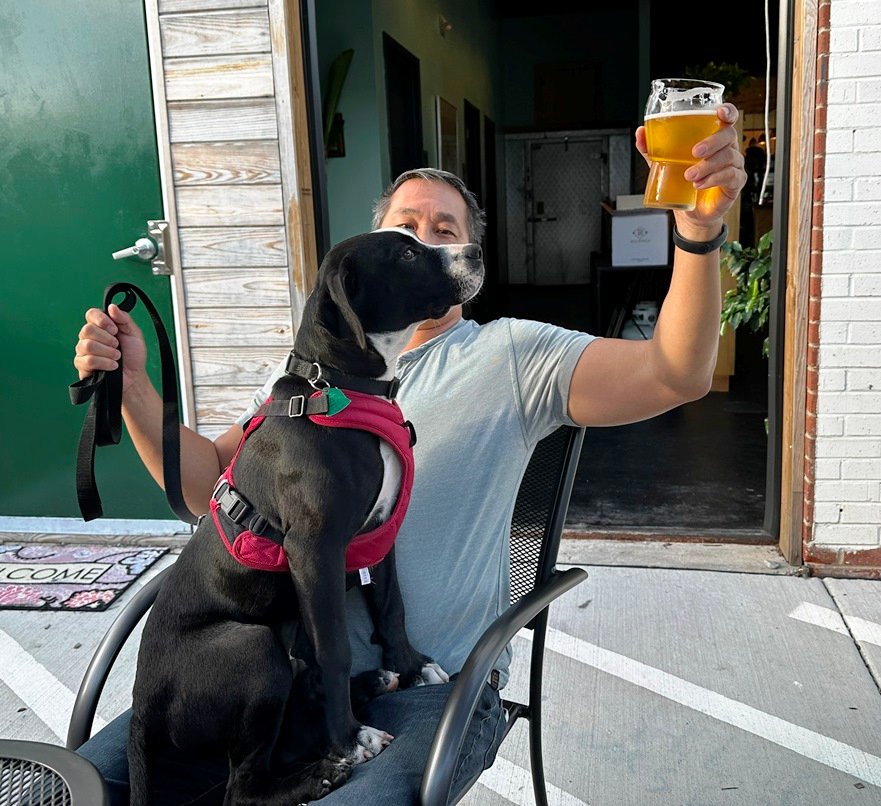
Socialization – Once your pup is fully vaxxed and healthy, it’s time to meet peoples and other pups! Once they are leashed and walking well, bring them to public dog-friendly spots where they can engage with others, 2-legged and 4-legged. Watch if they get overly excited, I’ve tried to minimize any head-butting, excessive jumping, nipping to keep the interactions controlled. It’s important that they learn to interact with other people and pups since foster pups that are friendly and relaxed will get adopted more readily. And obviously be careful and make sure you vet out any dogs they may interact with. One bad experience is one too many for your rapidly socializing pup!
So there you go, beyond keeping your foster warm, healthy, and fed, as a pup parent you have a responsibility to helping them become better dogs with the types of habits and behaviors that will get them adopted. 95% of the time it’s all about the praise and rewards, a hard voice is all you really need for any negative correction. So good luck my foster friend, you are doing some great work here and it’s time to get that pup over the adoption finish line!