Blog

  • Real Estate 101: Searching for and Visiting Homes, Step 5

    Real Estate 101: Searching for and Visiting Homes, Step 5

    If you’re a first-time home-buyer, there’s so much to learn for maybe the biggest purchase of your life. And you need to learn things stat, to make better decisions and minimize poor decisions throughout the home-buying process. Setting up your initial house budget and figuring out how much home you can afford, getting a mortgage pre-approval, financing your down-payment and estimating your purchase timeline, to choosing a realtor. All very important things to do before you even step out the door.
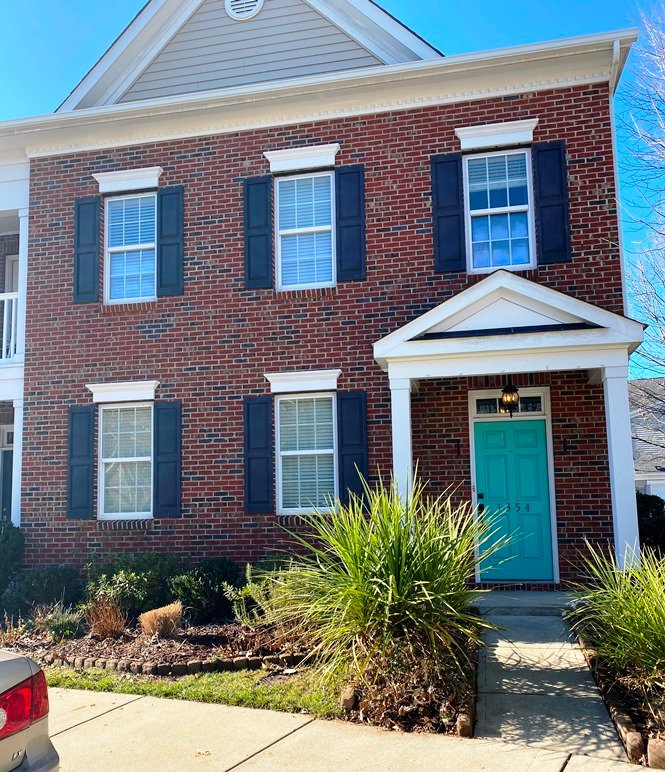
    Now here comes the fun part, searching for and visiting homes on the market! After you sign a contract with a realtor as an exclusive agent, they will most likely set up an automated search on MLS listings to let you know what is for sale and what is coming onto the market. If they’re really good, they will keep you appraised for what’s COMING to the market. Given how hot real estate is in 2021, you have to get a head-start to succeed.

    Here’s where they information you gleaned from targeting a home will come into play. Usually the search is based upon several major criteria: price range, home type (house, townhouse, condo, duplex), location by city/zip code, square footage and age. When you start your search you should have a pretty good idea of what you want in your perfect home so these guidelines will help your realtor deliver listings of interest to you.
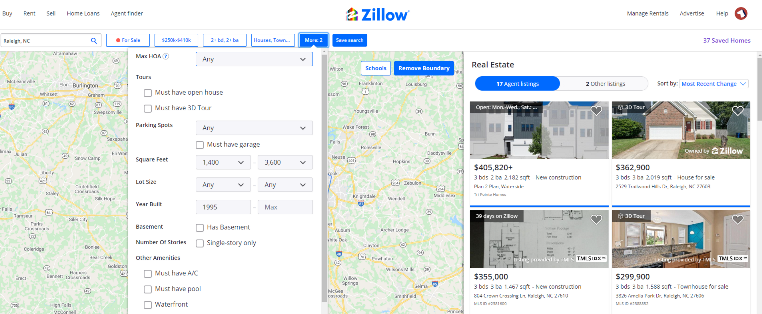
    But in my scenario, I had already been stalking homes for months before I even engaged a realtor. While your realtor will use a professional MLS listing application, I found that Zillow does a darn good job and has some nice features. You can set up a custom search just like your realtor will but on the Zillow app, you can also draw a boundary line map for where you’d like your listings to come from. This map feature is a much better way to target homes if you know what you want. I created one primary search based on fairly exact numbers of what I can afford and wanted within this mapped out zone. I then created a broader search that had larger boundaries, a bigger price range, bigger square footage range, bigger age range, just in case I was missing out on something.

    Some other things to consider researching beyond MLS listings is a crime map, school map and flood plains maps. These are three necessary categories of information that may not be apparent in a house listing. Crime maps will give you an idea of why a neighborhood might be so cheap. School maps and ratings may be important if you have a child in school or getting ready for school. Flood plain maps will tell you how likely your home might be inundated if a creek or river overflows. Unfortunately with global warming, we’re seeing more and more of that happen so be warned. You can expected higher and more expensive home insurance premiums if you choose a home in or near a flood plain. I also had a map to identify future construction projects which will give you some ideas of areas that might become more attractive over the years.

    In regional markets that are hot and MANY are right now, you better be ready to move quick. Try to visit in the first couple of days that a home is listed to be competitive. You’ll probably have maybe 25 minutes to check out that home and that may be ALL you get before you have to make an offer. My realtor told me that on average, home-buyers visit 12 to 15 homes and over time, your mileage may vary based upon your comfort level. Just realize that as a first-time home-buyer, you can’t expect a perfect home in today’s hot market. Given it’s one of the biggest investments in your life, I know it’s a REALLY hard decision to make that quickly.
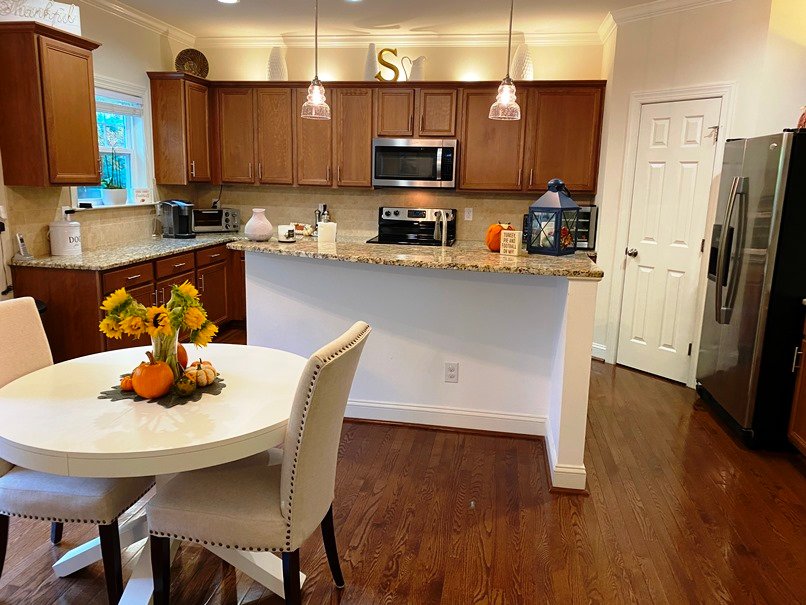
    When you visit a home, you’re going to notice a lot of different things and over time and visits, you’ll start to tune in on what’s important. Condition of the carpet, interior walls and doors are important. Think of how much life they have left and when you might have to replace them. Windows and window treatments? If you don’t like them and need to replace the, the price adds up quickly to the thousands of dollars. Lights, ceiling and mouldings, are they attractive to you (smooth or popcorn ceiling) and is the over the head look and feel acceptable? Appliances, are they in decent shape, good brands and about how old are they? Kitchen counters, cabinets, bathroom fixtures and bathroom cabinets. Is there enough space? Have they been updated? Not everything needs to be perfect but get an idea for what you can live with and the potential cost it will be for you to update things.
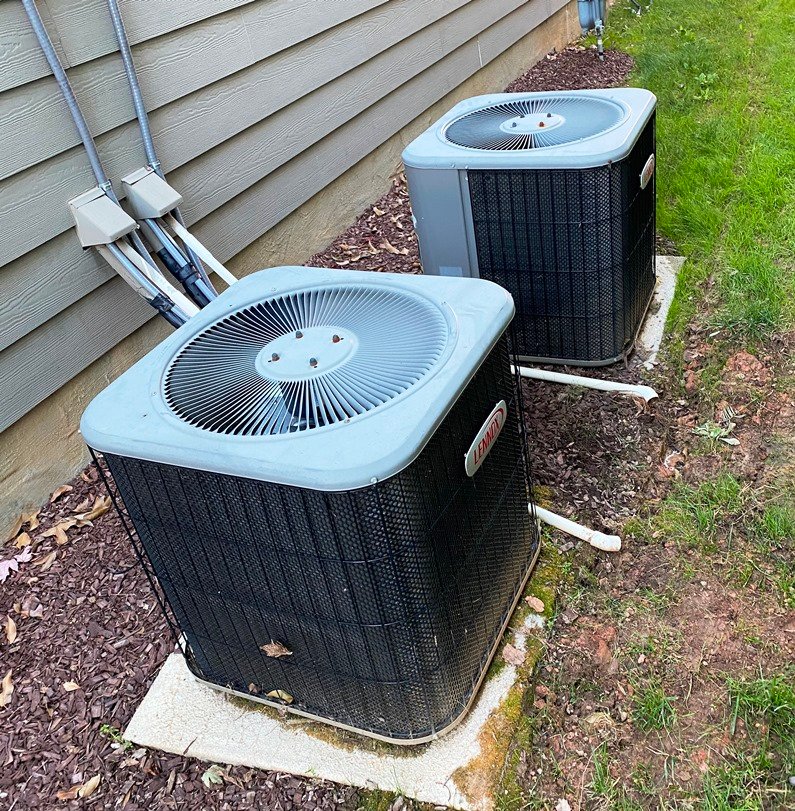
    Landscaping? Is the lawn and yard manageable? What’s the grade like for your yard and lot? Preferably, water flows away from your home and foundation, rather than pooling up near your structure. HVAC, is it in good shape and how old is it? AC and heating units are some of the most expensive items to replace or update, take care here. And finally the siding and roof? How old are they and in what condition? Usually 25 years is to be expected for a lifespan, do your due diligence.

    All these questions and answers should be ticked off as quickly as possible as you visit the home. Ask your realtor about the neighborhood vibe to make sure it fits into your lifestyle. And make sure you have access to necessary infrastructure and amenities like grocery stores, highways, and more. You may only get one quick visit to your target home so make the most out of it. Once the first offer goes in, you’ll usually have 24 hours or so with your BEST offer so get the most out of your visits

    I’ve said this before but in today’s hot real estate market for a newbie buyer, it is REALLY hard. I’ve heard stories of prospective buyers bidding on 3, 5 or even more properties and not getting a home. Even if a home you’re looking at is not the one for you, it will help you tune your expectations and help prioritize what features you really need vs. want. And set your expectations on what’s in your price range and affordable.

    So have fun as you look through these homes and imagine yourself living in there and being part of the neighborhood. One note, if you’re inspecting a home that still has a resident, please schedule your visit the day before vs. hours beforehand! As someone who has shown their home, it’s a LOT of work to clean and vacate it for visits so some extra time is helpful. For my next post, I’ll cover putting down an offer on a target home, here’s where things get REALLY interesting… 🙂

    Key Real Estate Purchase and Sales ToDos

  • Real Estate 101: Choosing a real estate agent, Step 4

    Real Estate 101: Choosing a real estate agent, Step 4

    Ok, so you’ve got your basic financial plan for purchasing a home done, check. You’ve got a plan to pull together the monies for the down-payment and closing costs, check. You’ve got a pre-approval with a mortgage lender, check! What’s next? You’re going to need a realtor to go view houses! Now, you could go without one and schedule home viewings with the seller agent but you’ll probably have less flexibility in that scenario. And while their fees are not trivial, real estate agents do more than just open home doors for you.

    First of all if you’re new to the area, you may need some guidance, especially if you’re moving to a larger metro area. Your realtor can give you a feel for the personality of each city and even down to the neighborhood. Where you live defines who is around you. And also where you live typically defines the price range so getting help here is important as a newcomer. Realtors typically focus on a city or two so take into account their regional strength and knowledge.

    And if you’re a first time buyer there are plenty of decisions you will need to make. A good realtor will have a network of professionals behind them from attorneys, inspectors, photographers, videographers, mortgage brokers-bankers, appraisers, carpet-painting-repair people (for selling your home) along with a staff. Another consideration are the tools, online and elsewhere that they will use for the purchase and sale of your property. My current realtor uses dot.loop to officially sign contracts and coordinate paperwork and it’s pretty effective. During the time of COVID, minimizing face to face interactions should be minimized.

    Most realtors are going to be either independent or aligned with a realty company that helps with tools and resources. You may feel more comfortable with a bigger realty name like RE/MAX, Coldwell Banker, Keller-Williams, EXP with the assumption that they will have better training and tools behind them, the choice is yours. One challenge with larger agencies is that they will also have new realtors on staff so if experience is important to you, take note. I decide to choose a very experienced realtor that does a LOT of business.

    Also note that a high-volume realtor may have another client selling a home you might be interested in, where they represent both the buyer and seller (dual-agency). While there may be some conflict of interest in this scenario, it also may get you a home in a hot market you otherwise would not have known about. I had one scenario where a home I was stalking went on the market under contract and most likely it was a dual agency scenario. In competitive markets, homes are often being purchased sight unseen before they are even MLS listed (OMG)!

    You can find a ton of realtor information online so do your research! Check out review websites like Zillow, Google or Yelp to see what the client feedback has been like. On Zillow, you’ll also get an idea of their buy-sell volume and how busy they are. Is this a career or a hobby for the realtor? How many years of experience do they have in the area? You’ll be able to see details of the real estate transactions they have brokered

    And finally the personality and person. You will be spending plenty of time with your realtor, pre-COVID you would often travel from home to home during a purchase in the same car so hopefully you like them. Are they trusty-worthy and responsive? Because your home purchase or sale will be one of the largest financial transactions you make for most of us. While we all probably personally know several realtors as friends, do you want to do business with a friend and potentially risk that relationship? Tough call in my book, I prefer to keep my business and personal relationships separate.

    In the end, definitely interview real estate agents to get a feel for them, who they are and how they can help. Until you lock into a purchase or sales contract with them, you’ll have to the option to continue shopping for agents. For my recent purchase and sale, once I started viewing properties, I was signed to a six month contract with my realtor to purchase through her. I’m guessing a realtor is unlikely to show you properties until you sign on the dotted line! Good luck because this whole process of purchasing and/or selling a home will not always be easy. The happy snapshot you have of a new homeowner with key in hand is the end-result of lots of tough decisions and stressful times. Choose your realtor wisely!

    Next up in this home buying blog series is the HOME SEARCH! Most people consider this part of the process the most fun and yes it can be, but it can really depend on your local real estate market. More to come… 🙂

  • Real Estate 101: The Mortgage and Pre-Approval, Step 3

    Real Estate 101: The Mortgage and Pre-Approval, Step 3

    Part of purchasing a new home is really understanding what you can truly afford. And while you can certainly do your personal calculations on the back of an envelope (or in a spreadsheet as discussed in an earlier post), the reality is that you can only borrow what a bank or lender is willing to underwrite you for. So as you get started on your home search, getting a mortgage pre-approval is an important and serious first step. Not only will it help guide what your expectations are for a future home, it signals to a realtor that you’re a serious buyer and ready to move forward.

    First thing is to have a basic financial plan (Step 1 in this series of posts) on the down-payment and mortgage amount you’re interested in as discussed earlier. Next thing is to go find some lenders to work through the pre-approval process. While it’s a fairly quick process, there is some paperwork to do so I’d certainly keep it to under five different options. Trust me, you’re going to get a lot of emails and phone calls once you start this process so don’t get pre-approvals from a ridiculous number of banks.

    Once you have your basic financial plan, who do you reach out to? Your existing banks and credit unions that service your savings and checking accounts is one option. Another option would be online mortgage specialists like Rocket Mortgage or GuaranteedRate. Mortgage interest rates vary quite a bit so it’s wise to speak to several banks and have some options. Both Nerdwallet and US News and World Report have good summary pages for mortgage lenders and their service ratings. Note that your realtor may also have a suggestion but we’ll discuss those relationships in more detail in the next chapter!

    To start the pre-approval process, you’ll need your basic financial information: salary/earnings, assets and debts along with your current mortgage situation. For the pre-approval process, that means you’ll need to start gathering up all the relevant financial information for you and whomever else will be applying for the mortgage. One key component of the pre-approval process will be your credit score. Hopefully you’ve been working on improving your credit score before your home search. Just be aware that the credit score used for mortgage applications are often older ones that are more demanding and conservative it its calculations. For a pre-approval, you’ll need your expected down-payment amount along with the loan amount (in the high end of your range). In most scenarios your pre-approval will be handled online and you should get an answer within hours or at worst, days.

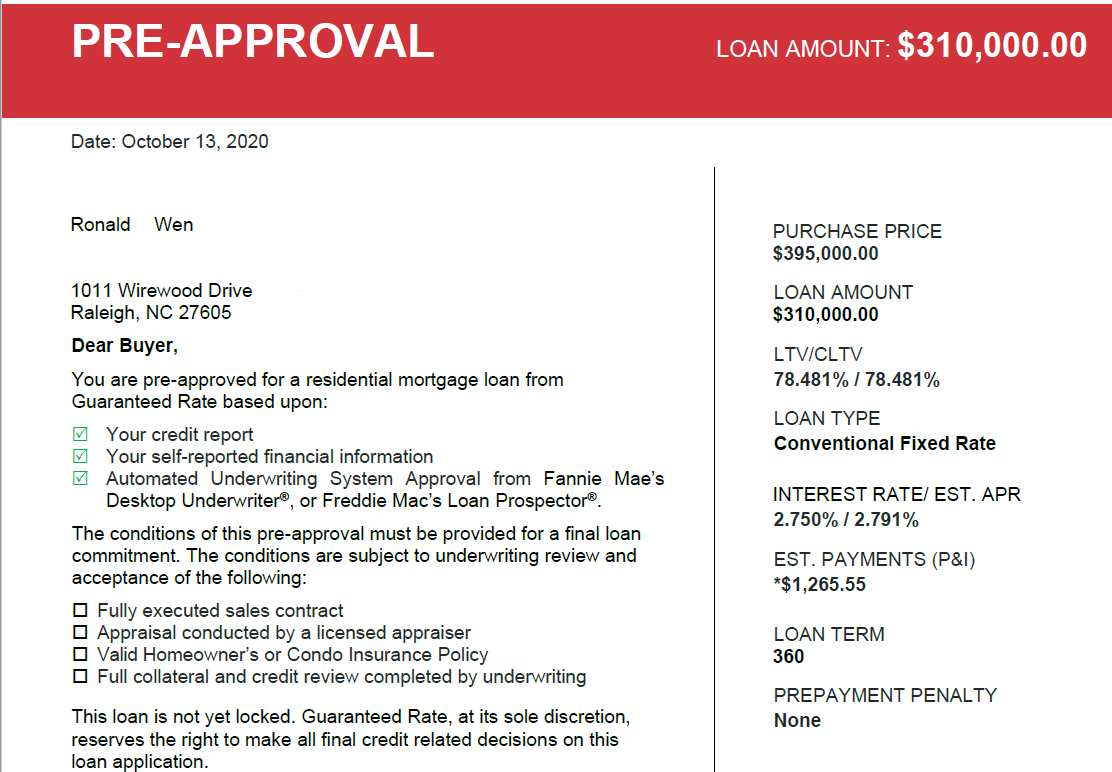
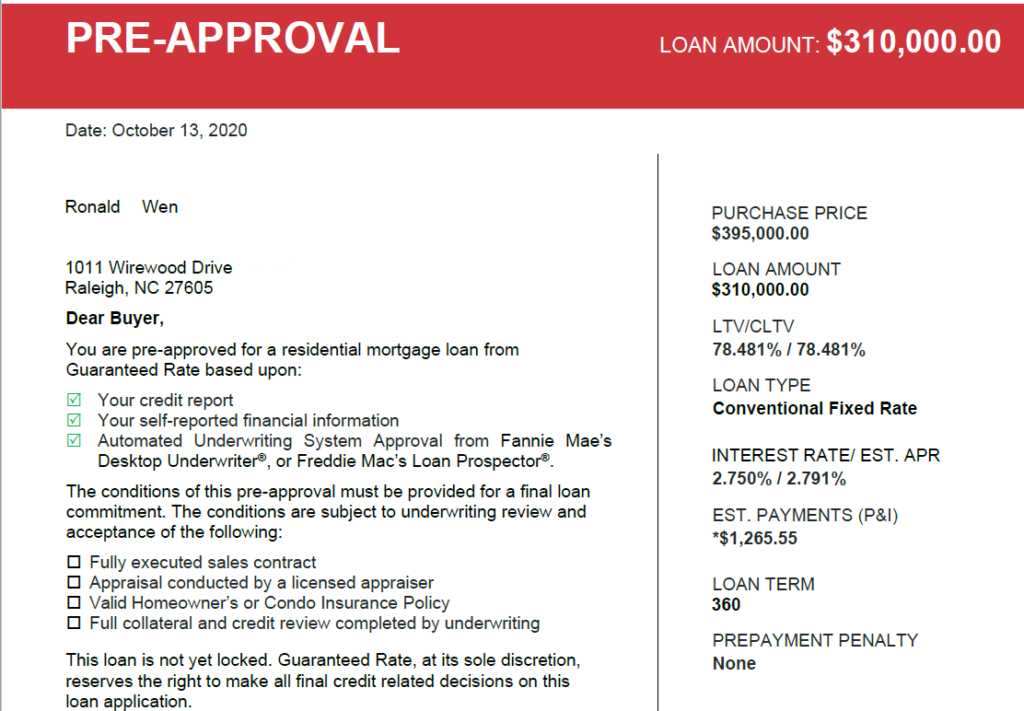
    Assuming you’re pre-approved, you’ll receive a letter validating the basic numbers and you can now engage a realtor with some confidence. You’ll also get a better idea of what the bank or lender will be looking for when you move towards the final approval. Salary, wages, assets, debts, current living expenses, debts and more. It’s the start of creating your digital financial records archive in primarily image (.jpg) and document (.pdf) formats.

    To help prepare these financial records, first identify all the necessary sources of your financial information: Banks, investment accounts, payroll provider, filed tax returns, current mortgage lender. Then you’ll either use a scanner, smartphone, computer print screen for the document images. Printing to pdf is another good option for creating text documents that will be best for the long and detailed home purchase process. For example, my home equity loan banker, mortgage lender and realtor all use online tools to securely request and store these financial documents, securely. And .jpg and .pdf are the most commonly accepted file formats.

    When you save your personal and financial documents I recommend using a consistent naming convention for your files. I will suggest: FirstName LastName – DocumentType – DocumentSource – DocumentDate as an option. The more detail in the file name will help the people working on your paperwork given they will have multiple clients. Also when transmitting and sending documents to others, be particular cautious given standard emails are not encrypted and sending sensitive personal information (PI) by email is not a good idea.

    I’m including some real-life examples of the financial and personal documents you will need to get through the home purchase process. So get ready for this ride by getting all your ducks in an order! In the next installment of this series, we’ll be discussing how to choose a real estate agent.

    • Payroll pay stubs
    • Drivers license
    • Previous filed tax returns (1040, 1095)
    • W-2 from previous two years
    • Bank account, savings account, investment account statements (2 months)
    • Mortgage statements
    • Property insurance declaration pages

    Resources

    1. Nerdwallet – 11 Best Online Mortgage Lenders for 2021
    2. US News and World Report – Best Mortgage Lenders
    3. Free Annual Credit Score
    4. Nerdwallet – 8 Ways to Build Credit Fast

  • Real Estate 101: Timeline for Buying a House and Planning a Downpayment, Step 2

    Real Estate 101: Timeline for Buying a House and Planning a Downpayment, Step 2

    During my previous post, we did a couple of exercises around calculating how much house you can afford and what your approximate timeline to buy will be. By targeting when you want to put an offer in on a new home and close (take over ownership) on your new home, you can then calculate some other key steps and milestones. One of the key numbers in the above calculations was around the down-payment which impacts a lot of the financial aspects of the mortgage. But what we didn’t talk about specifically, was how you were going to pull together that down-payment. It’s one of the biggest steps you need to take financially, and actually, well before you start the home buying process.

    For the basics, let’s just assume you need 5% to 20% down-payment for a $300k home. That means you’ll need to save $15k to $60k for a down-payment which can be a significant amount of money for many people. There are some cases for FHA loans where you can put down as little as 3.5% but in general, the days of low down-payment loans are limited after the real estate driven recession in 2008. Also in addition to the down-payment, you’ll need to cover closing costs (loan origination fees, inspection, title search, escrow for taxes and property insurance) of your new home which I’d roughly calculate as $5k to $10k for a starter home. So now you need to save $20k to $65k minimum, to start the home search in earnest.

    As a first-time buyer who’s currently renting or living with family, the scenario is pretty simple. Come up with that down-payment money by hook or by crook! Cut down on the lattes or take on a side-gig to save up your money. Note that if your down-payment is a gift from a family member, oftentimes the mortgage application will ask that question since they want to know how financially disciplined you are. Also be aware that your offer-bid on a house will have an advantage as a non-contingent offer!

    Now if you’re a current home-owner, it gets a lot trickier. Do you sell first or buy first? Selling first means that once you’ve accepted an offer, the pressure is on to find your new home. You’ll also likely have to find living arrangements while you’re in between houses unless you can time things perfectly. But you will have the equity/money from the sale of your house to fund the down-payment of your future home.

    If you buy first and then sell your home, you’re under pressure to do two things. One, come up with the down-payment without the proceeds of selling your existing home. And two, you’ll be under pressure to sell your home quickly to minimize the amount of time you may have to carry TWO mortgages. But you will be able to make one physical move from your old home to your new home and eliminate a temporary stop and move in-between. I have known some friends who wanted a couple of months to move and were prepared to carry two mortgages for that period of time!

    What you do is up to your preferences, your local real estate market and of course, your financial situation. But you should have a plan on when your house will need to go on the market, based upon your target purchase period as mentioned in the previous post.

    Going back to the $20k to $65k down-payment and closing cost monies you will need, here are the options I’m aware of.

    1. Have the money in a banking account as cash, whether saved or as a gift.
    2. Pull the money out from an investment account like a Roth IRA or stock-trading account. The Roth IRA allows for a one time withdrawal ($10k) with no penalties for a first-time home-buyer. Could you pull money out of a 401k? Yes but it’s probably not recommended due to taxes.
    3. Use the money from the proceeds of your home sale for a down-payment. This assumes sell first, buy second. And hopefully you have enough equity to cover the entire down-payment or can raid your bank account for the difference.
    4. Take a short term loan from your 401k or home equity loan (HELOC) to fund the down-payment. You will be responsible for some interest while the loan is outstanding but this scenario works for a buy first, sell second process. You pay off the HELOC and interest when you sell your existing home.

    Note that you will initially need some of that down-payment money in your checking account for an accepted offer as due diligence and earnest money. The rest/balance of the down-payment will be needed 4 to 8 weeks later when you close and take over ownership of your new home. Next up, we’ll talk about choosing a mortgage and getting a pre-approval. Much later on we will discuss due diligence and earnest money as part of the process around submitting an offer. As you can see, there’s a logical path and order for each step of the home buying and selling process and a LOT of dependencies between steps. So glad you’re here and learning the basics around this complicated life decision!

  • Real Estate 101: Targeting a New Home for Purchase, Step 1

    So you’ve finally decided to buy a home! Like many in 2020, low mortgage rates, working from home and the pandemic has gotten people thinking about jumping into the home ownership pool. Or maybe you’re just tired of paying rent but either way, you think you’re ready. The next step is doing some 25,000 foot research and starting to narrow down your home choices. And here’s where the unfortunate reality of your finances meet the real world market! And also when you start spinning up your spreadsheets and lists to help document and prioritize your home needs. If you’re a single person like myself, hooray, the decision-making will be quicker and easier but you’ve only got one salary. If you’re a two-earner couple, hooray, you’ll have more money to spend but making the decision with two opinions will be tougher.

    First thing I’d recommend doing is targeting when you want to purchase your home within a four to eight week window. Take into account any life events, the seasonality of the real estate market, weather and time to prepare your home and finances for the move. By setting up a target time period you can back into all the other details and when they need to happen. Things like when you need to get pre-approved, when you need to have the due diligence money saved up, when you need to have the down-payment ready to go, when you need to put your home on the market (if you’re selling) and when you’ll be moving. And you know that the real estate market is typically hottest from March to September with the most homes on the market but also, the most competition and higher prices. Be realistic about when you can get all the prep done on your end and how long the search will take, I’d say 1 to 3 months for a home search is realistic depending on how demanding you are.

    Step two, figure out how much of a down payment you’re likely to put down on your future home. That down payment may come from cash in your bank accounts, a gift from a relative, a loan from your 401k or current house, or sale of your existing home (equity). Just be aware that your down payment will potentially impact your mortgage rate and future monthly expenses because less than 20% down on a house will incur PMI (mortgage protection insurance), which can run from .5% to 1.0% or so. For my current mortgage, I think PMI adds about $90/month on a $200k mortgage. We will talk about mortgages and personal financial history in more detail later during the pre-approval process!

    Step three, do a review of your finances to determine how much house or home you can afford on a monthly basis. There are two numbers here, in my opinion. The traditional rule for home buying is 28% of your gross monthly income at the higher end. In most average markets, that 28% should be plenty but I’m thinking that in high housing expense areas like California, NY, Boston, etc, you may have to be paying out that much or more, unfortunately. At the lower end, I’d put down what you are spending today for your living situation with the expectation to pay more when you’re purchasing a home.

    So now you have an approximate range of what your monthly home expenses could or should be. Plug those numbers into your monthly budget (hopefully you have one) to make sure you feel comfortable at either end of that range. If you’re under 50, you can anticipate your earnings to increase over time. But mentally set a range of what you’re comfortable with in terms of home expenses, these numbers are still pretty broad but will help us figure out how much home you can afford.

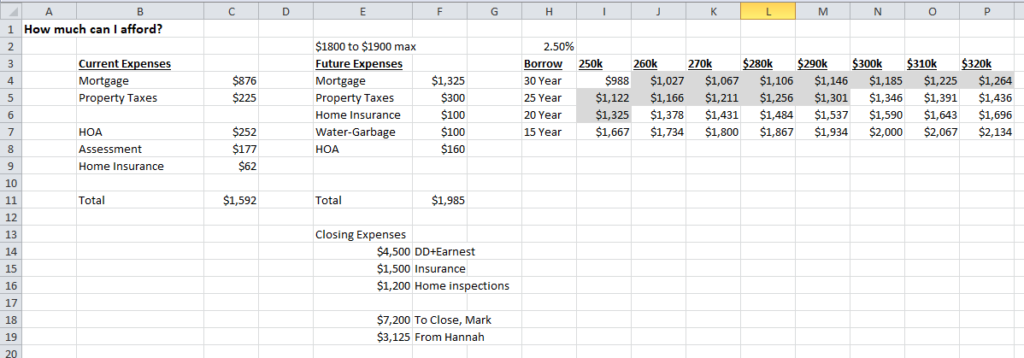
    Step four, let’s figure out how that monthly living expense translates to a target property value. Use a mortgage calculator, interest rate (be conservative here, choose a 30 year fixed interest rate) and range of money borrowed to see what the monthly “mortgage” could be. In the image above, I have a range of borrowed mortgage amounts across four different mortgage loan lengths (from 15 to 30 years, assuming a fixed rate). I then plugged in amounts from the mortgage calculator for each possibility. My expectation of a mortgage costing $1,000 to $1,300/month is shaded in gray. That’s a baseline for how much you’ll spend but there will be additional expenses like property taxes, property insurance, water-sanitation-refuse fees and HOA fees which becomes a more realistic, future monthly expense. These are line items that you may not pay right now, as an apartment person who rents but you will, once you purchase a home.

    You now have a fairly accurate expectation on what your monthly home expenses will be at various amounts of mortgage money borrowed. When you add your down payment amount to the money borrowed, you’ll have an approximate home value for each monthly home expense! In my case it was $320k to $390k given an expected down-payment of $70k and mortgage of $250k to $320k. The range of what you can afford on a monthly basis defines how much you should-can borrow. And that amount in addition to the down-payment becomes how much home you can buy from your perspective. Once you apply for a mortgage, the number could be slightly different from your own expectations since they will take a deep-dive into your financial situation and determine, what they are willing to lend. And as you can tell, there’s a lot of math and modeling in the home buying process. And since a lot of these calculations are estimates, you should try to be conservative when you model what you can afford.

    Realistically for me, I had a range of $300k to $400k for my future home with a target price of $375k based upon my initial financial model. A number where I thought I could get a decent house with a decent amount of space and not feel too stressed financially. My current condo is valued at about $300k so a larger, more valuable home is the overall goal (gotta move on up)! In a high cost real estate market, I could see someone ratcheting their target numbers down a bit to keep things affordable but that’s your call.

    But there are still a lot of questions to be answered even with those target home price numbers. Do I get a detached home or townhouse? How big should the home be? Which locations are a good fit? What features do I want to have vs. I have to have? That’s the next step once you’ve calculated the basics of what you can afford. The price range you can afford will be one of the key criteria for when you set up your online home search to find properties for sale. Before we even get to that point, let’s talk about the down-payment needed in our next Real Estate 101 blog post!

    Resources

    1. Bankrate.com Mortgage Calculator
    2. HSH – The salary you must earn to buy a home in the 50 largest metros